All Categories
Featured

Top 2026 Capital Strategies for Driving ROI
According to Grand View Research study, the international solo travel market was valued at over $482 billion in 2024 and is predicted to grow 14.3% by 2030. This growth includes a substantial rise among female tourists seeking self-reliance and self-discovery, which in turn amplifies need for safety-oriented items and services. Entrepreneurs can capitalize on this chance by establishing innovative safety services particularly created for solo tourists, consisting of personal alarms, GPS-enabled devices, and safe accommodation choices.
How to Maximize Fast Dining Market ShareThis design uses tourists unique adventures while supporting frequently underrepresented neighborhoods and small organizations eager to share their stories and abilities. From drinks and snacks to health-conscious items, vending offers varied choices that cater to the needs and desires of your customers. From wedding arches to power washers, consumers and organizations are opting to rent rather than purchase one-time-use gear.
As cars and truck ownership costs rise, consumers are searching for inexpensive and sustainable short-term options, such as regional vehicle rental designs and platforms. The peer-to-peer (P2P) vehicle sharing is forecasted to grow almost 16 %by 2030. Startup expenses and possible earnings margins for new business endeavors differ depending upon business's structure. Your cost base(labor versus inventory versus innovation )and earnings model(one-time vs. repeating)eventually determine how rapidly your organization concept can end up being successful and scalable. The common service-based service expenses$5,000$25,000 at startup. Service organizations usually have the least expensive startup expenses due to the fact that they rely mainly on the owner's(or their workers')abilities rather than on physical properties. Service companies can normally anticipate margins closer to 15%to20 %, since they can charge more for their knowledge and personal labor. Stock costs, fulfillment logistics, making considerations, and more drive higher startup expenses for product businesses. Margins can differ widely depending on production costs, rates strategy, competitors, and whether they run solely online or out of a brick-and-mortar place. Margins are often lower for product services than other types: The average net earnings for retail companies across all sectors is typically well listed below 10%. Membership or recurring revenue companies, such as software-as-a-service(SaaS ), subscriptions, or membership box services, rely greatly on consumer retention for success. While preliminary costs can be moderate to high(especially for software application), the subscription model shifts focus towards long-lasting customer worth. Any business with a recurring revenue stream is scalable and earnings margins can reach as high as 90%, though an objective of a minimum of 30%is preferable. Costs and margins will vary depending upon your service's store type and place. Numerous entrepreneurs start their very first online companies from home, so office is never ever an upfront expense. Brick-and-mortar start-up costs are substantially higher($50,000 to $150,000)due to the fact that a physical business area is consisted of in initial costs. In addition to rent and product stock, small company owners need to element in display screens, decors, point-of-sale systems, and more to get their organizations off the ground. Research study competitors to see what they're currently using, how consumers respond, and what you might offer that's exceptional. Understanding your rivals 'market position allows you to separate, ensuring your offerings won't be eclipsed by what's currently readily available. From there, evaluate what consumers are searching for throughout engineslike Google and platforms like Amazon and YouTube by conducting keyword research study. In doing so, you'll discover prominent customer pain points and market spaces. To verify whether clients are prepared to spend for your idea, determine public interest through presales. Presales help you get a clearer photo of consumers'desire to spend for your services or product, backed by concrete data and prospective incomes. Before investing time and resources into a full-scale services or product, create a minimum feasible product(MVP)or a streamlined variation of your product or serviceto test the principle. This enables you to validate your concept based on feedback from early users and determine whether it's fixing your target audience's requirements. While some of the above recognition techniques can require time to establish, there are faster methods to find out what audiences think of your ideas. Try a few of these strategies to get quick feedback. Promote your idea with online advertisements (even if it's not ideal yet) to see how your target market reactsand whether you're targeting the right individuals. Develop an online landing page that discusses your offering, including its crucial advantages and rates design.

Latest Posts
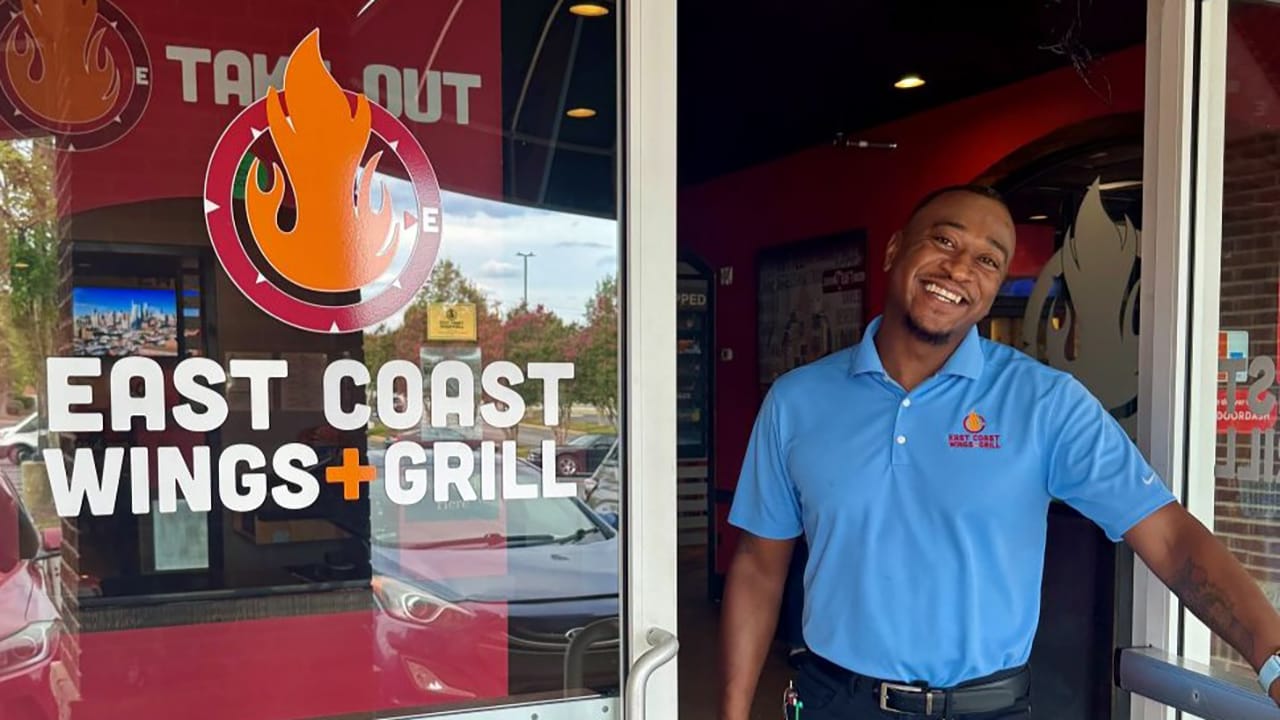
How to Expand Your Dining Concept

Expert Ways to Increase Market Share via Expansion

Tips for Maximize Fast Dining Sector Presence